
Midwest Apple Improvement Association and Apples' Significance in Gaming Culture
One of America's most iconic images, the apple has long stood for everything from wisdom and temptation to health and energy. Organizations like the Midwest Apple Improvement Association have put up endless effort in the agricultural heartland to guarantee that this famous fruit continues to flourish in difficult regions. However, the apple's metaphorical potency transcends orchards and farmers' markets to unexpected places like the glowing lights and spinning reels of casino floors. Fascinating insights into how symbols transcend their roots to become universal aspects of human experience may be gained from this junction of entertainment culture and agricultural legacy.
MAIA's Legacy and Contemporary Apple Breeding
The Midwest Apple Improvement Association's History and Purpose
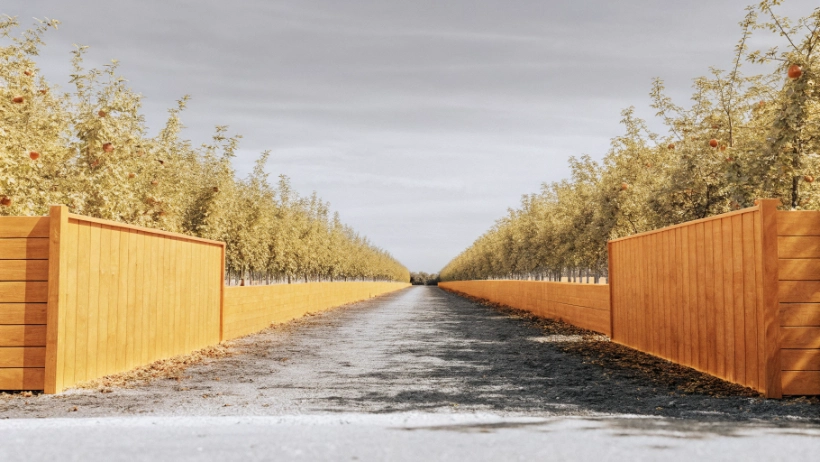
The Midwest Apple Improvement Association was founded on the straightforward realization that commercial apple varieties that were created for coastal regions frequently failed to withstand the region's severe winters, muggy summers, and erratic spring frosts. Founded and managed by producers who recognized these issues personally, MAIA set out to create apple types particularly bred for Midwest climates. This grassroots approach meant that real-world producer experience drove every breeding decision, from disease resistance priority to harvest timing concerns. "Making the Best, Better," the organization's slogan, sums up its practical approach to ongoing development as opposed to radical transformation.
Disease-Resistant Types for Difficult Climates
Apple production has particular challenges due to the environment in the Midwest. Temperature variations can harm growing fruit or interfere with pollination, while high humidity encourages fungal diseases like apple scab and fire blight. MAIA's breeding approach precisely tackles these geographical problems, adding genetic resistance to common diseases while retaining the crisp quality and balanced sweetness that consumers demand. Beyond disease resistance, climate adaptation include elements like bloom timing and cold tolerance, guaranteeing that cultivars such as EverCrisp provide consistent yield in the many microclimates of the Midwest.
Grower Driven Collaboration with Ohio State University
One example of how academic research might directly benefit agricultural communities is the collaboration between MAIA and Ohio State University. MAIA producers give real-world testing grounds and useful input, while university researchers supply the scientific know-how and controlled breeding circumstances required to generate new kinds. This grower-driven strategy determines which characteristics gain breeding priority—while flavor and appearance important, Midwest producers need varieties that store well, transport reliably, and yield consistent crops year after year. The Ohio State relationship allows MAIA to harness modern breeding approaches like marker-assisted selection while maintaining the focus squarely on features that matter for regional commercial success.
MAIA Apple Varieties and Their Distinctive Characteristics
EverCrisp Ludacrisp Sweet Maia and Other Cultivars: A Comparison
| Variety | Flavor Profile | Disease Resistance | Harvest Window | Storage Capability |
|---|---|---|---|---|
| EverCrisp | Balanced sweet-tart, exceptional crispness | Excellent scab resistance, good fire blight tolerance | Late season (mid-October) | Outstanding (6+ months with quality retention) |
| Ludacrisp | Bold sweet flavor, explosive crunch | Strong scab resistance, moderate fire blight resistance | Mid-season (late September) | Very good (4-5 months) |
| Sweet Maia | Predominantly sweet, mild acidity | Good overall disease package | Early-mid season (early September) | Good (3-4 months) |
| Rosalee | Complex sweet-tart balance, firm texture | Excellent scab and mildew resistance | Late season (early October) | Excellent (5-6 months) |
| Summerset | Refreshing sweet-tart, juicy | Good disease resistance across pathogens | Mid season (mid-September) | Very good (4-5 months) |
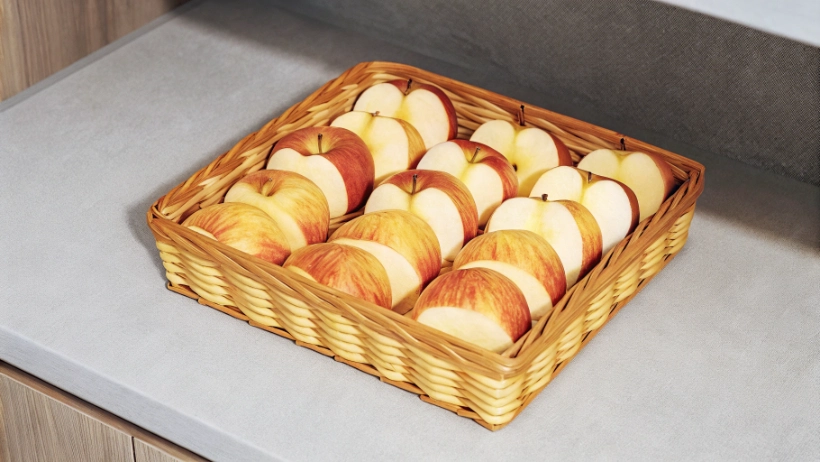
MAIA's conviction that no single variety can satisfy the demands of every producer or every customer is reflected in the diversity of its inventory. EverCrisp, possibly the most popular MAIA product to date, blends the ancestry of Honeycrisp and Fuji to give great eating quality with better preservation properties. Its late harvest time lets Midwest producers to extend their fresh market season into late October.
Customer Attractiveness and Market Flexibility
Consistent quality, identifiable taste characteristics, and year-round availability are the expectations that modern customers have when making purchases of apples. In addition to meeting these needs, MAIA cultivars provide a real link to local agriculture, something that commercial staples cannot. When people purchase EverCrisp or Ludacrisp in their local market, they're supporting breeding programs particularly adapted for their region's growing circumstances. In order to provide growers more marketing alternatives and guarantee long-term commercial viability, market adaptation also requires cultivars to perform across a range of retail channels, from farmers' markets to regional grocery chains.
Midwest Orchards' Regional Success Stories
Orchardists in the Midwest say that consumers are responding well to MAIA cultivars, with many observing that after trying these apples, they expressly ask for them by name. After only a few years of planting, EverCrisp has surpassed even well-known favorites in sales, according to one Indiana producer. The Midwest's apple production profile is shifting toward cultivars that are well suited to local circumstances as more producers plant MAIA types. The success of groups like Maia shows how cooperative, locally oriented breeding initiatives may rejuvenate agricultural industries.
Apples as Symbolic and Cultural Icons
The Apple in American Agriculture and Folklore
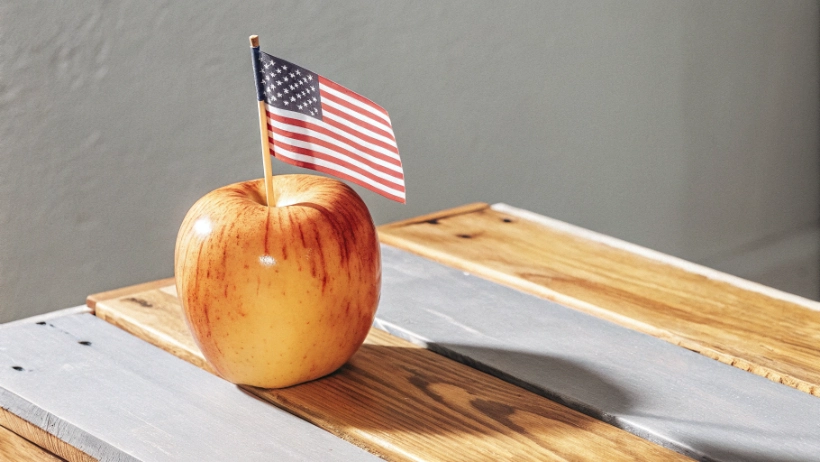
In American culture, few fruits are as significant as the apple. From Johnny Appleseed's epic adventures to the saying "an apple a day keeps the doctor away," apples pervade American mythology and common knowledge. This symbolic relevance originates partially from the fruit's historical role in pioneer agriculture—apple trees were among the first planted at new homesteads, giving food, beverage, and a connection to the established communities they had left behind. The apple was a symbol of wealth and stability, a message that makeshift camps were giving way to permanent residences.
Five Historic Meanings Behind Apple Symbolism
- Prosperity and Abundance: Historically, a fruitful apple orchard denoted agricultural prosperity and economic stability. The age of their orchards, with bearing trees signifying years of occupation and land investment, was one way pioneer families gauged their level of establishment. A excellent apple harvest's abundance represented both the benefits of diligent husbandry and the generosity of nature.
- Temptation and Knowledge: Western religious and philosophical traditions equate apples with critical moments of choosing and insight. In cultural awareness, the story of the forbidden fruit has been inextricably linked to apple imagery, associating apples with learning, moral judgment, and the passage from innocence to experience.
- Health & Vitality: Across all cultures and eras, there is a correlation between eating apples and being healthy. Apples have always been associated with healthy eating and preventative medicine, whether in Victorian-era health campaigns or the advice of ancient Greek physicians. A large portion of this conventional wisdom is supported by contemporary nutritional research.
- Youth and Renewal: Mythological cultures commonly represent apples as agents of rejuvenation or immortality. The golden apples of Iðunn in Norse mythology preserved the gods' perpetual youth, and apples were used in a number of folk customs to guarantee health for the upcoming year.
- Love and Fertility: Apples have been used in amorous and fertility rites since the time of the ancient Greeks and Appalachian courtship practices. The apple's crisp flesh and delicious juice made it an apparent emblem of vigor and life force, while its widespread cultivation assured availability for ceremonial usage.
Contemporary Reinterpretations of Classic Apple Images
Through contemporary views, classic apple symbolism is reinterpreted in contemporary society. Technology businesses intentionally evoke connections with knowledge and simplicity by using Apple iconography to promote innovation and user-friendly design. The enduring strength of apple symbolism resides in its flexibility—the same picture may imply wholesomeness, seduction, health, or plenty depending on context and presentation. Because of their metaphorical adaptability, apples may be found in a wide range of settings, including entertainment venues and agricultural campaigns.
Apple Symbol in Gaming: From Orchard to Casino Floor
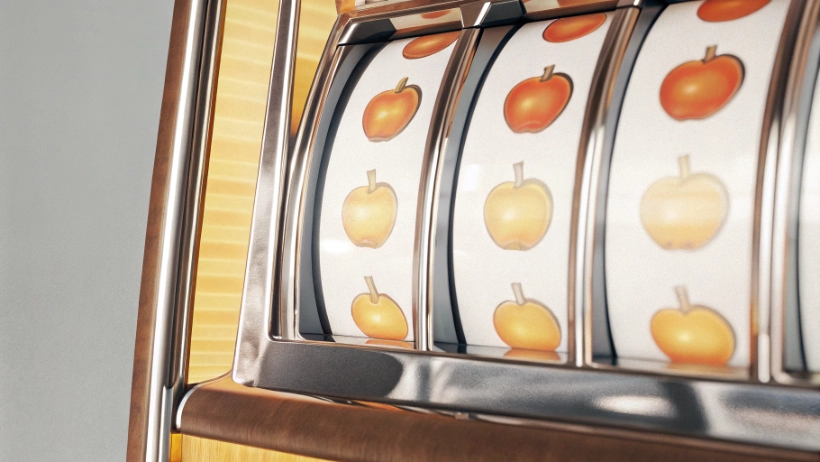
Apple symbolism's journey from agricultural fields to gambling facilities serves as an example of how cultural icons change to fulfill a variety of economic functions. While groups like the Midwest Apple Improvement Association focus on literal apple farming and variety improvement, the entertainment industry has long recognized the apple's metaphorical significance for wholly new purposes. Gaining insight into how apples operate in gambling environments can help identify more general trends about psychological comfort, symbol identification, and the economic exploitation of well-known images in unexpected settings.
Why Early Slot Machine Design Was Dominated by Fruit Symbols
Fruit symbols are common in gaming machines because of American gambling laws from the early 20th century and inventive solutions by machine makers. When many governments prohibited gambling devices, manufacturers promoted their machines as vending gadgets that distributed fruit-flavored gum as rewards. The icons on the reels matched to different gum flavors—cherries, lemons, oranges, and apples—providing legal cover while keeping the devices' gambling purpose. This historical accident established fruit images as the default visual language of slot machines. Due to their widespread popularity and favorable connotations, apples were an obvious option for these early gaming machines.
Five Ways Apples Appear in Contemporary Gambling Iconography
- Classic Slot Machine Themes: Apple symbols are still commonly found in traditional three-reel slots, preserving historical continuity with early gambling equipment. Players looking for genuine gambling experiences evocative of mid-century gaming halls and old casinos may find these timeless designs appealing. One of the most instantly identifiable slot machine icons in the world is still the red apple.
- Games with an Agricultural or Harvest Theme: Apple imagery is used into more general agricultural or harvest themes in contemporary video games. These games might have picking mini-games, orchard backdrops, or progressive jackpots that are represented by expanding apple trees. The prospect of financial gain in gambling is inextricably linked to agricultural abundance.
- Collections of Lucky Symbols: In addition to gold coins, horseshoes, and four-leaf clovers, apple symbols are also seen in many modern slot machines' "lucky symbol" collections. In these situations, apples stand for good fortune and favorable outcomes. Game designers exploit the apple's current positive cultural connections rather than developing new symbolic meanings.
- Bonus Feature Triggers: In contemporary video games, apples are commonly used as bonus triggers or scatter symbols. Landing several apple symbols could activate free spin rounds, multiplier features, or interactive bonus games. Apples are elevated from simple reel symbols to active gameplay features that players actively seek for thanks to this useful purpose.
- Casino Branding and Promotional Materials: Apple imagery is used into larger promotional efforts by casino marketing teams, going beyond specific game themes. Seasonal advertising may employ apple emblems to convey harvest plenty, while loyalty programs could incorporate apple graphics signifying reward tiers or accomplishment levels.
The Psychology of Known Symbols in Video Games
Research in gaming psychology shows that recognizable symbols improve player comfort and lessen cognitive burden. Players shouldn't have to decipher intricate iconography when sat at a slot machine; instead, they should be able to quickly comprehend the relationships and values of the symbols. Due to their widespread awareness, apples are ideal for this psychological purpose. The apple as a symbol in gambling also benefits from its emotional neutrality contrasted to clearly monetary representations. Fruit symbols keep a modest psychological distance from the financial stakes involved, but stacks of cash provide clear linkages to winning and losing.
Trends in the Entertainment Industry and Agricultural Innovation
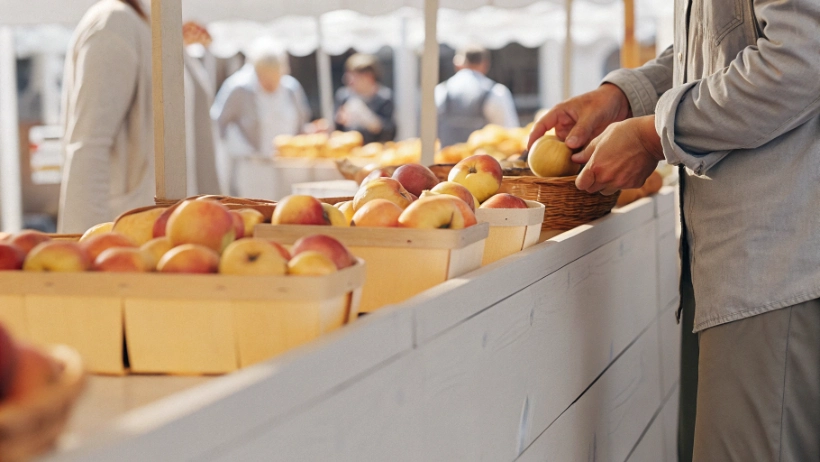
Applications for entertainment and agricultural symbols come together to highlight surprising similarities across apparently unrelated businesses. Visual communication, brand identification, and an emotional bond with viewers are critical components of both entertainment and agriculture. Because of its profound cultural resonance that extends beyond particular business situations, the apple efficiently serves both sectors. This blending of marketing strategies shows how successful symbolism transcends conventional divisions across business domains.
How Agricultural Companies Handle Digital Marketing Environments
| Marketing Approach | Traditional Agriculture | Modern Agribusiness | Entertainment Industry | Hybrid Strategies |
|---|---|---|---|---|
| Primary Channels | Print publications, farm shows, word-of-mouth | Social media, email marketing, e-commerce platforms | Digital advertising, streaming platforms, experiential marketing | Multi-channel integration with agricultural authenticity |
| Brand Messaging | Quality, reliability, local heritage | Innovation, sustainability, data-driven results | Excitement, escapism, lifestyle aspiration | Authentic stories with contemporary relevance |
| Target Audience | Active farmers and producers | Farmers plus conscious consumers | Mass market with demographic segmentation | Niche enthusiasts with crossover appeal |
| Content Strategy | Educational resources, technical specifications | Lifestyle content, recipe development, farm stories | Emotional narratives, celebrity partnerships | Educational entertainment with genuine expertise |
Modern agriculture companies are realizing more and more that being present in a variety of media environments is essential for successful marketing. Both traditional agricultural audiences and contemporary customers who are becoming more and more cut off from food production must be reached by organizations like the Midwest Apple Improvement Association. The entertainment industry's marketing savvy offers lessons for agricultural communicators. Techniques that work well in entertainment settings, such as captivating narrative, outstanding visuals, and emotional involvement, may be used to agricultural topics.
Consumer Recognition and Symbol Associations
Research on brand recognition regularly shows that symbols convey information more quickly and efficiently than text-based communications. Customers instantly access a vast network of connections built up over decades of cultural experience when they encounter an apple emblem, whether in agricultural settings or on casino floors. By utilizing long-standing apple symbolism, agricultural groups may capitalize on centuries of cultural meaning-making without having to start from zero when creating new affiliations. When an organization like midwestapple.com incorporates apple iconography, it gets some of the fruit's healthy, trustworthy characteristics.
Establishing Credibility with Well-Known Images
Trust is essential to customer involvement in both gaming and agriculture marketing. Agricultural consumers need faith that food items satisfy safety and quality requirements, while gaming clients demand assurance of fair play and genuine operations. Established symbols like apples convey built-in credibility from their good cultural connotations. This trust-building through symbolism occurs partially through cognitive shortcuts—humans evolved to make quick judgments based on limited information, and identifiable positive symbols activate favorable first impressions.
FAQ
What is the Midwest Apple Improvement Association?
A cooperative breeding initiative led by growers, the Midwest Apple Improvement Association is committed to creating apple cultivars that are especially adapted to the region's growing environment. MAIA, which was established and is run by commercial orchardists, collaborates with Ohio State University to develop cultivars that combine the taste profiles and storage qualities that contemporary customers need with disease resistance and climatic adaptation.
What types of apples has MAIA created?
A number of successful apple varieties have been introduced by MAIA, such as EverCrisp, which combines outstanding eating quality with exceptional storage capacity; Ludacrisp, which offers bold sweet flavor with mid-season harvest timing; Sweet Maia, which has a predominantly sweet flavor; Rosalee, which delivers complex flavor balance; and Summerset, which has a refreshing taste and strong disease resistance against various pathogens.
Why do apples and other fruit symbols appear on slot machines?
Regulations from the early 20th century made fruit emblems the norm for slot machine iconography. Manufacturers advertised such machines as gum vending machines with icons representing various tastes when many authorities outlawed gambling devices. Apples, cherries, lemons, and oranges corresponded to gum tastes while keeping the devices' gaming features. Apples became particularly powerful symbols because of their international identification and favorable cultural connections.
Why are MAIA apples a good fit for growing conditions in the Midwest?
MAIA cultivars are especially designed to withstand the harsh environment of the Midwest. The region's high humidity fosters fungal diseases like apple scab and fire blight, while temperature changes can harm growing fruit. In addition to selecting for characteristics like proper bloom timing that prevents late frost damage, MAIA breeding programs also contain genetic resistance to these prevalent regional diseases.
How did fruit emblems in video games become commonplace?
The practice of fruit symbols in gaming originated in the early 1900s when American gambling faced rising regulatory limitations. Marketing devices as gum vending machines gave legal cover—the fruit symbols on reels corresponded to different gum flavors that machines reportedly dispensed as rewards. Long after the initial legal need vanished, the iconography continued to be used because it was so successful in producing cozy, recognizable gaming experiences.
How is Ohio State University involved with MAIA?
For MAIA's breeding program, Ohio State University offers crucial scientific knowledge and research facilities. To find interesting genetic combinations, university researchers use sophisticated methods like marker-assisted selection and controlled breeding. MAIA growers give critical real-world testing and practical feedback that ensures cultivars perform under genuine commercial settings before getting official release.
Conclusion
The way that pop culture and agricultural legacy interact shows how potent symbols may communicate in unexpected situations despite their origins. With varieties tailored to local conditions, cooperative, regionally focused breeding initiatives may rejuvenate agricultural areas, as exemplified by groups such as the Midwest Apple Improvement Association. In the meanwhile, the continued use of apples in gambling settings demonstrates how cultural symbols may adapt to new settings and remain relevant. Apples continue to play a variety of metaphorical meanings, whether they are used as conventional game iconography or to symbolize the meticulous labor of Maia breeders creating climate-resilient kinds. Because of its adaptability, apple imagery is able to combine historical customs with modern uses in a variety of settings, including orchards and entertainment venues.