Apple Variety Development for Midwest Growers
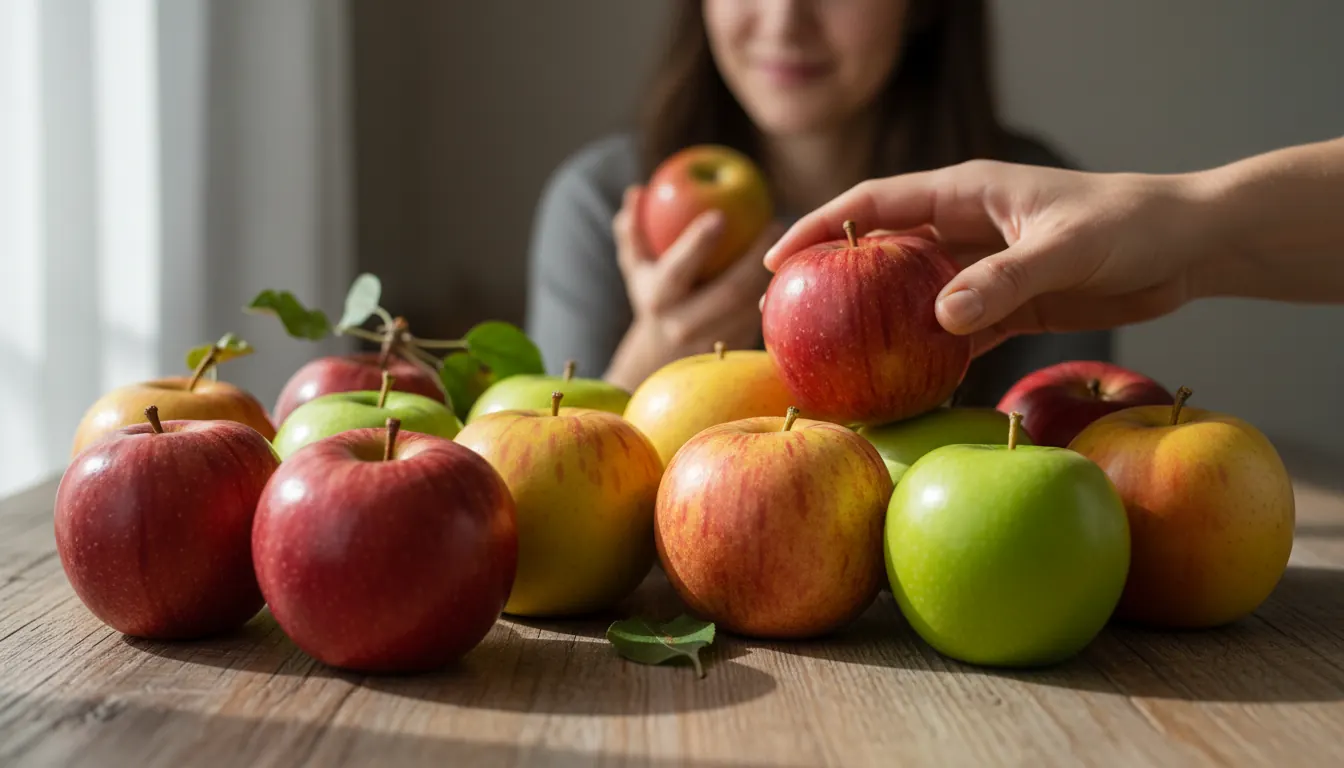
Developing new apple varieties specifically adapted to Midwest growing conditions requires understanding the region's unique challenges and opportunities. The process involves careful selection of parent varieties, extensive testing across diverse sites, and continuous feedback from commercial growers who will ultimately determine variety success. Organizations like the Midwest Apple Improvement Association exemplify how regional breeding programs can create cultivars that balance grower productivity needs with consumer preferences, resulting in varieties that thrive where broadly adapted commercial cultivars struggle.
Regional Growing Challenges
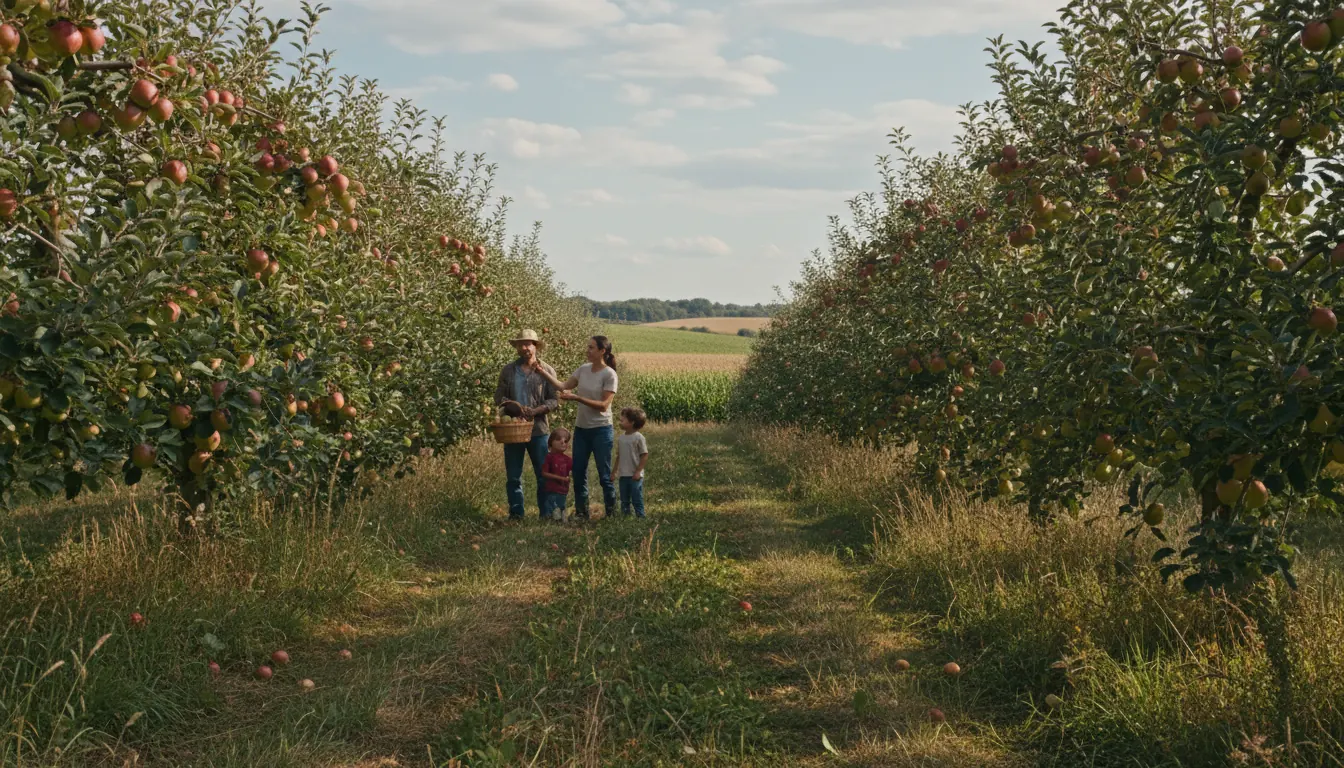
Midwest apple production faces distinct obstacles that coastal growing regions rarely encounter. The region's continental climate creates harsh winters that can damage less hardy varieties, while humid summers promote fungal diseases like apple scab and fire blight. Spring weather unpredictability poses particular challenges—late frosts can destroy flower buds, while temperature fluctuations during bloom affect pollination and fruit set.
- Winter cold hardiness must extend beyond what's required in milder coastal regions
- Disease resistance becomes critical given high humidity and pathogen pressure during growing season
- Bloom timing must balance avoiding late frosts with ensuring adequate pollination windows
- Soil adaptability matters across the region's diverse clay-heavy and sandy soil types
- Storage capability allows extended marketing seasons critical for smaller regional markets
Development Process and Timeline
Creating new varieties adapted to Midwest conditions follows a systematic but lengthy process that ensures thorough evaluation before commercial release.
| Stage | Activities | Duration |
|---|---|---|
| Crossing | Select parent varieties and create genetic combinations | 1-2 years |
| Seedling evaluation | Initial screening of thousands of offspring | 3-5 years |
| Advanced selection | Multi-site testing of promising candidates | 4-6 years |
| Commercial validation | Grower trials under production conditions | 3-5 years |
"Successful variety development requires patience to thoroughly evaluate performance across diverse conditions, ensuring releases truly meet grower needs rather than rushing promising selections to market prematurely."
MAIA Variety Examples
Recent MAIA releases demonstrate how targeted breeding creates value for Midwest growers. EverCrisp combines exceptional eating quality with outstanding storage capability and strong disease resistance, making it viable across diverse marketing channels. Ludacrisp offers mid-season harvest timing that fills production gaps, while maintaining the disease resistance and consumer appeal growers need. These varieties succeed because development prioritized traits critical for Midwest conditions—disease resistance, climate adaptability, and storage life—while still delivering flavor profiles modern consumers demand.